


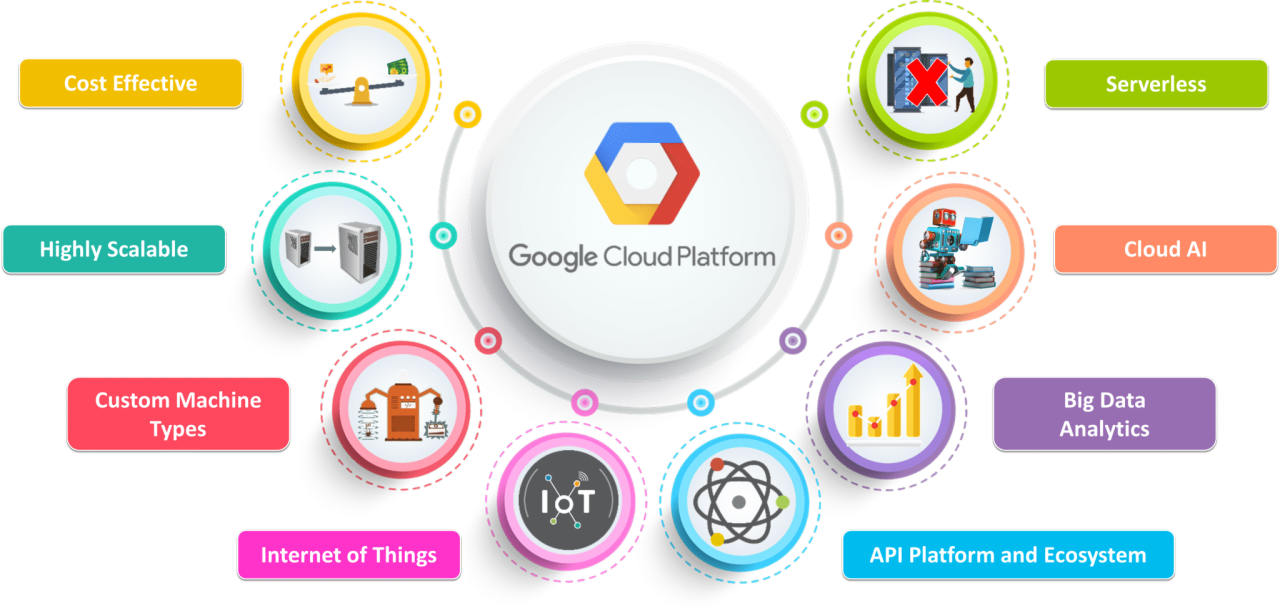
We helped an enterprise customer modernize their integration landscape by designing a fully automated DevOps pipeline to deploy Apache Camel microservices to Cloud Run using a secure, scalable, and cost-efficient serverless architecture.
The transformation enabled:
- · Zero infrastructure management
- · Automated CI/CD with security gates
- · Secure secret handling
- · Image vulnerability scanning
- · Centralized logging & distributed tracing
- · Elastic auto-scaling with high availability
Business Impact: Improved Scalability, Operational Cost Optimization, High Availability, Faster Time-to-Market, Enhanced Security & Compliance.
A leading enterprise required a cloud-native strategy to modernize its integration services and deploy lightweight Apache Camel microservices using a secure, scalable serverless model.
The existing deployment approach required infrastructure provisioning, manual configurations, and limited observability.
Our engagement focused on designing and implementing a serverless DevOps platform on GCP, enabling:
- · Automated image creation
- · Secure secret management
- · Continuous vulnerability scanning
- · Cloud-native observability
- · Zero-downtime deployments
The solution leveraged Cloud Run, Artifact Registry, Secret Manager, and OpenTelemetry-based tracing to build a secure, resilient, and future-ready integration platform.
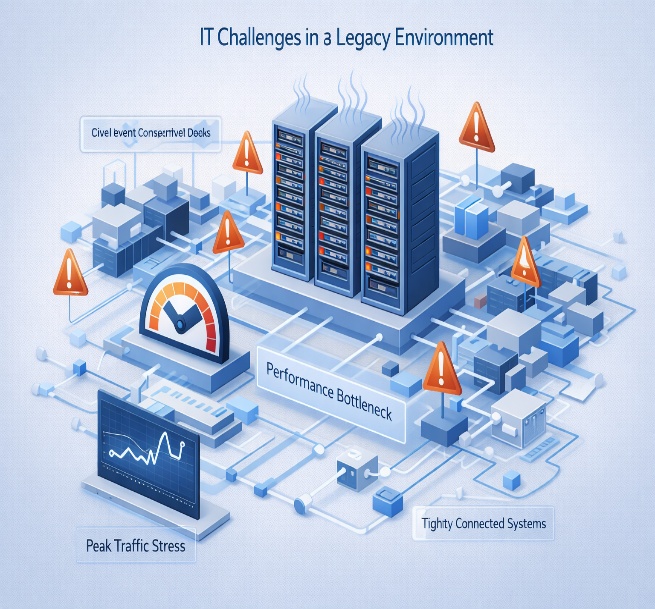
Challenge:
The digital transformation journey was constrained by:
- · Manual deployment processes
- · Limited scalability of container workloads
- · Secrets stored in configuration files
- · No structured image lifecycle management
- · Lack of centralized monitoring & traceability
- · Security risks due to missing image scanning
- · Operational overhead of managing infrastructure
Requirement:
To design a secure, scalable, serverless DevOps architecture on GCP that:
- · Deploys Camel microservices to Cloud Run
- · Implements multi-stage image lifecycle (Base → Framework → Project)
- · Eliminates secret exposure in images
- · Enables automated CI/CD with DevSecOps controls
- · Provides real-time logging and distributed tracing
- · Ensures vulnerability scanning and compliance
Solution:
We designed and implemented a Serverless DevOps Platform on GCP using Cloud Run as the primary runtime environment.
The new platform was built around:
- · Containerized Camel microservices
- · Automated Cloud Build pipelines
- · Secure secret injection via Secret Manager
- · Image vulnerability scanning
- · Structured logging & distributed tracing
- · Infrastructure-as-Code driven provisioning
This approach enabled elastic scaling, faster release cycles, reduced operational overhead, and enterprise-grade security.
Key Components of the Solution:
- Serverless Runtime – Cloud Run
Microservices were deployed to Cloud Run enabling:
- · Automatic horizontal scaling
- · Pay-per-use billing model
- · Zero infrastructure management
- · High availability
- Multi-Stage Image Lifecycle
To ensure maintainability and security:
- · Base Image: Hardened OS + security patches
- · Framework Image: Java Runtime + Apache Camel + OpenTelemetry Agent
- · Project Image: Business-specific microservice code
Benefits:
- · Faster builds
- · Smaller image sizes
- · Reduced attack surface
- · Controlled dependency management
- Automated CI/CD & DevSecOps
Implemented using Cloud Build and gcloud CLI:
Pipeline stages include:
- · Code Quality Checks (Sonar / Static Analysis)
- · Secret Scanning
- · Dependency Scanning
- · Docker Image Build
- · Image Vulnerability Scan (Trivy / Registry scanning)
- · Artifact Push to Artifact Registry
- · Automated Cloud Run Deployment
- · Canary traffic split support
- Secure Secret Management
- · No passwords stored in Docker images
- · Secrets stored in Secret Manager (KMS protected)
- · Injected securely during Cloud Run deployment
- · Full audit logging enabled
This eliminated configuration leaks and improved compliance posture.
- Observability & Monitoring
Centralized Logging
- · Structured JSON logs
- · Integrated with Cloud Logging
- · Log-based alerts & error tracking
Distributed Tracing
- · OpenTelemetry instrumentation
- · Traces exported to Zipkin
- · End-to-end transaction visibility
- · Correlation between logs and trace IDs
This provided deep visibility into:
- · API latency
- · Error rates
- · Dependency bottlenecks
- · Performance during traffic spikes
- Governance & Security Controls
- · IAM-based least privilege model
- · Artifact Registry access control
- · Enforced vulnerability policy gates
- · Audit logs enabled
- · Immutable image tagging
Core Technologies:
GCP SERVICES:
- Cloud Run
- Cloud Build
- Artifact Registry
- Secret Manager
- Cloud Logging
- Cloud Monitoring
- IAM
- KMS
OBSERVABILITY STACK:
- OpenTelemetry
- Zipkin
- Structured Logging
APPROACH:
- Serverless Architecture
- Containerization
- DevSecOps Automation
- Secure Image Lifecycle Management
- Observability-Driven Operations
Business projections
From a business perspective, the program delivered measurable improvements in cost, agility, and security posture
CONCLUSION
The serverless DevOps platform on GCP transformed traditional integration deployment into a secure, automated, and scalable cloud-native ecosystem. By combining Cloud Run, secure image lifecycle management, automated DevSecOps pipelines, and advanced observability, the enterprise achieved:
- · Infrastructure simplification
- · Improved cost efficiency
- · Faster innovation cycles
- · Enterprise-grade security
- · End-to-end operational visibility